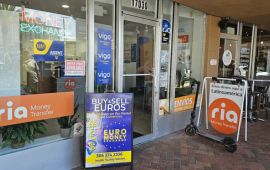
Welcome to Euro Money Exchange

Why Cash Is Still Important for Travelers in 2025

In today’s digital world, many travelers rely on credit cards, debit cards, or mobile wallets for convenience. However, carrying cash is still essential when traveling abroad. From emergencies to small expenses, cash ensures you can always pay when technology fails or cards aren’t accepted. At EuroMoney Exchange, we help travelers secure local currency before their trips, so they’re prepared for every situation.

The Role of Cash in Travel

Even with rapid digital adoption, cash remains the foundation of global payments. Millions of businesses worldwide, especially in developing regions, still operate on a cash-first basis. For travelers, this means that cash is often the only option in certain scenarios.

Benefits of Carrying Cash While Traveling

1. Universal Acceptance

Cash is accepted everywhere—from street vendors and taxis to small shops in rural areas. In contrast, cards may be limited to urban centers or major hotels.

2. Emergency Backup

If your card gets lost, blocked, or the system goes down, cash is your safety net. Travelers who only rely on cards risk being stranded without money.

3. Budget Control

Carrying a set amount of cash helps you avoid overspending. It’s easier to track your expenses when you physically see your money decrease.

4. Avoiding Hidden Fees

Cards often come with international transaction fees and poor conversion rates. Exchanging money in advance at EuroMoney Exchange helps you save compared to ATM withdrawals abroad.

5. Tips and Small Purchases

In many countries, tips, bus fares, or market snacks can only be paid in cash. Having local currency ensures you won’t miss out on small but important expenses.

Situations Where Cash Is Essential for Travelers

  • Transportation: Local buses, taxis, or rickshaws often require cash.
  • Food & drinks: Street food vendors and local restaurants may not accept cards.
  • Hotels & hostels: Some accommodations allow or prefer cash payments (see our guide on cash payments for hotels).
  • Remote destinations: Rural towns or islands may have limited banking infrastructure.
  • Emergencies: Natural disasters or outages can disable card systems, making cash the only option.

How Much Cash Should Travelers Carry?

There is no one-size-fits-all answer, but consider:
  • Short trips: Enough for meals, transportation, and emergencies (e.g., $100–$200 in local currency).
  • Longer stays: A larger amount, split between wallet, hotel safe, and travel pouches.
  • Destination costs: Some countries are more cash-dependent (e.g., rural Mexico, parts of Asia), while others are card-friendly (e.g., Northern Europe).
At EuroMoney Exchange, we help travelers calculate how much to bring based on their destination and needs.

Safety Tips for Carrying Cash Abroad

  1. Split your money: Keep some in your wallet, some in a hidden pouch, and some in your luggage.
  2. Use hotel safes: Store larger amounts securely.
  3. Avoid displaying cash: Count or handle money discreetly.
  4. Exchange before you travel: Avoid airport kiosks with poor rates; get your cash at trusted providers like EuroMoney Exchange.

Why Local Currency Matters

Even in countries where U.S. dollars are widely accepted, paying in local currency has advantages:
  • Better prices: Vendors may inflate costs for payments in foreign currency.
  • Cultural respect: Paying in local money shows awareness of customs.
  • Smooth transactions: Prevents confusion or rejection of foreign bills.

The Future of Cash in Travel

While digital and contactless payments will continue to grow, cash isn’t going away.
  • Central bank digital currencies (CBDCs) are being tested but coexist with cash.
  • Global infrastructure gaps mean millions of businesses still rely solely on physical money.
  • Travel security: Cash ensures you are never fully dependent on technology.

Conclusion

Cash remains an essential travel tool in 2025 and beyond. From emergencies and small purchases to cultural respect and budgeting, cash complements digital payments to create a safe, reliable travel experience.At EuroMoney Exchange, we make it easy for travelers to access local currency at competitive rates—helping you stay prepared, wherever your journey takes you.

FAQs

Should I carry cash or just use my card when traveling?

Carry both. Cash is essential for small payments and emergencies, while cards are convenient for large or online transactions.

How much cash should I take on an international trip?

Enough to cover transportation, meals, and unexpected situations. Around $100–$200 in local currency for short trips is a safe guideline.

Is it safe to carry cash abroad?

Yes, if you split it into different locations and use safes when possible.

Do airports offer good exchange rates?

No. Airport kiosks often have higher fees. It’s best to exchange in advance with providers like EuroMoney Exchange. Euromoney Exchange Carousel

Leave a Reply

Your email address will not be published. Required fields are marked *