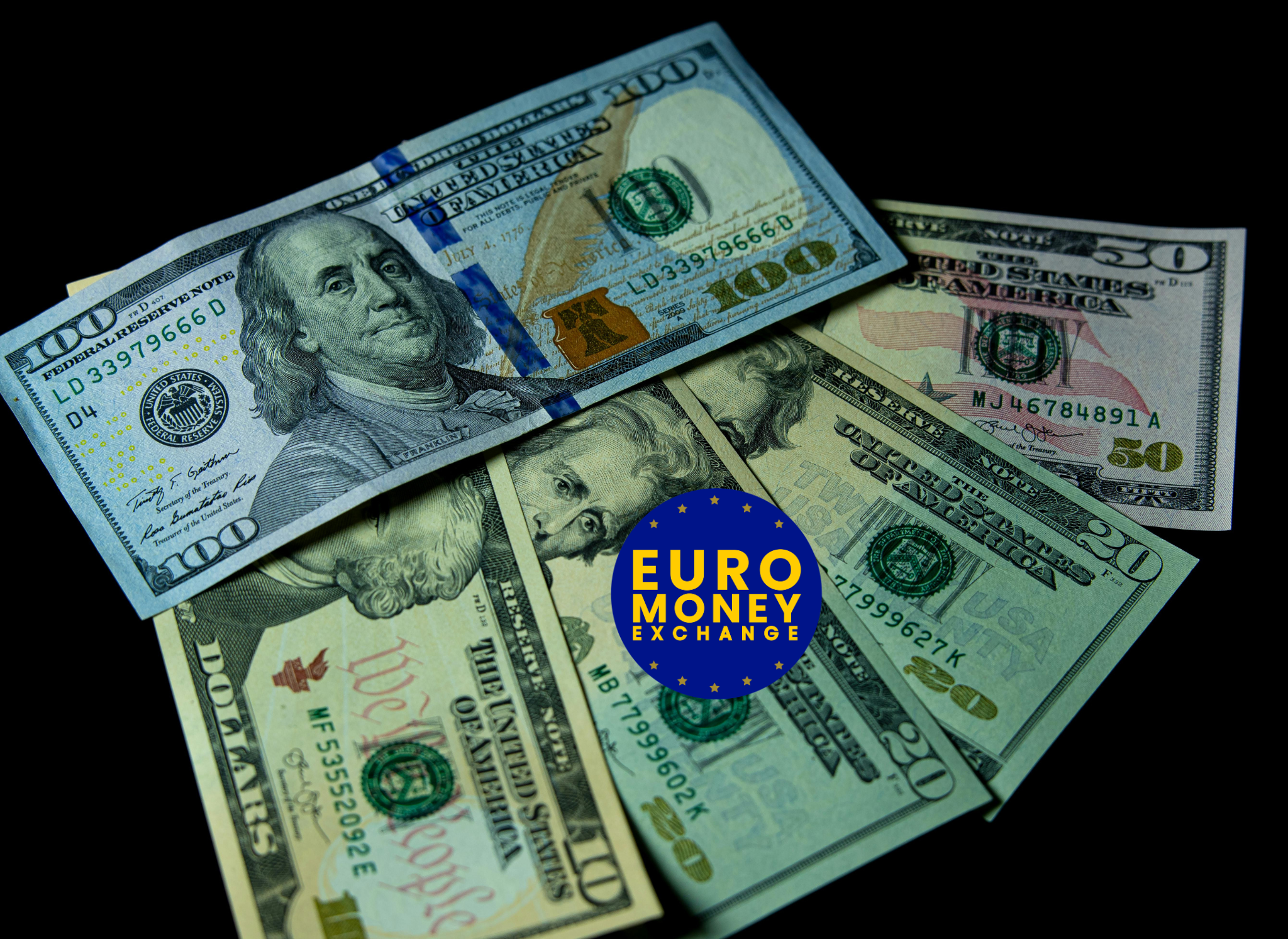
The EUR/USD exchange rate does not depend on tourism
Many travelers planning a trip to Miami assume that the euro–dollar exchange rate changes depending on the time of year, especially during peak travel seasons. The logic seems intuitive: when more people travel, exchange money, and spend abroad, it might appear reasonable to expect an impact on currency values.
However, in reality, the foreign exchange market does not operate this way.
Unlike hotel prices or airline tickets, the EUR/USD exchange rate is part of a global financial system that responds to macroeconomic forces rather than seasonal tourism behavior. This means that European summer holidays do not automatically make the dollar more expensive, and peak travel periods in the United States do not directly influence currency valuation.
What actually determines the exchange rate
The value of the euro against the dollar is shaped by structural economic factors rather than travel patterns. Key drivers include European Central Bank monetary policy, Federal Reserve interest rate decisions, inflation levels in both economies, global growth expectations, and broader financial market movements.
These variables operate at a large-scale economic level and continuously influence investor behavior, capital flows, and currency strength over time.
Why the seasonal confusion exists
Even though there is no direct connection between tourism seasons and exchange rate movements, many travelers perceive a seasonal pattern.
This perception usually arises because several factors occur at the same time: higher travel demand, increased international spending, and a larger volume of currency exchanges. While these events coincide, they do not cause the exchange rate to move. The EUR/USD may fluctuate during these periods, but the cause is always macroeconomic rather than seasonal tourism activity.
What to consider before exchanging euros into dollars
Instead of focusing on the calendar or travel seasons, it is more effective to evaluate financial and economic indicators. The recent trend of the EUR/USD, the broader global economic context, the proximity of your trip, and your personal tolerance for risk are far more relevant factors than seasonal timing.
The goal is not to predict the market, but to make informed and structured decisions that reduce uncertainty.
How this impacts your travel planning
Understanding that exchange rates are not seasonally driven helps avoid common mistakes such as waiting for a “better time of year” that does not actually exist in currency markets. It also reduces the likelihood of making rushed decisions once in destination or relying on assumptions that are not supported by financial reality.
A clearer understanding of how the system works allows for more rational and predictable currency planning.
Conclusion: the market does not follow seasons, but your strategy should
The euro–dollar exchange rate is driven by global economic forces, not tourism cycles. However, your financial planning can still follow a structured approach.
The most effective strategy is to decide when to exchange money based on economic context, travel timing, and risk management rather than seasonal assumptions. This approach helps protect your budget, reduce uncertainty, and avoid impulsive decisions.
For travelers who want a more structured way to prepare their currency before traveling to the United States, working with Euro Money Exchange can support more efficient planning and better financial control throughout the trip.
Frequently asked questions about the euro–dollar exchange rate
The euro–dollar exchange rate is not influenced by tourism seasons but by global economic factors such as monetary policy, inflation, and market expectations.
Seasonal travel peaks may coincide with exchange rate movements, but they do not cause them.
Waiting for a “better season” to exchange currency is not a reliable strategy, as rates are not seasonally driven.
A more effective approach is to plan ahead and align currency decisions with economic conditions and travel dates.