Welcome to Euro Money Exchange
- +1 305 374 2336
- 230 NE 1st ST Miami FL 33132

Welcome to Euro Money Exchange
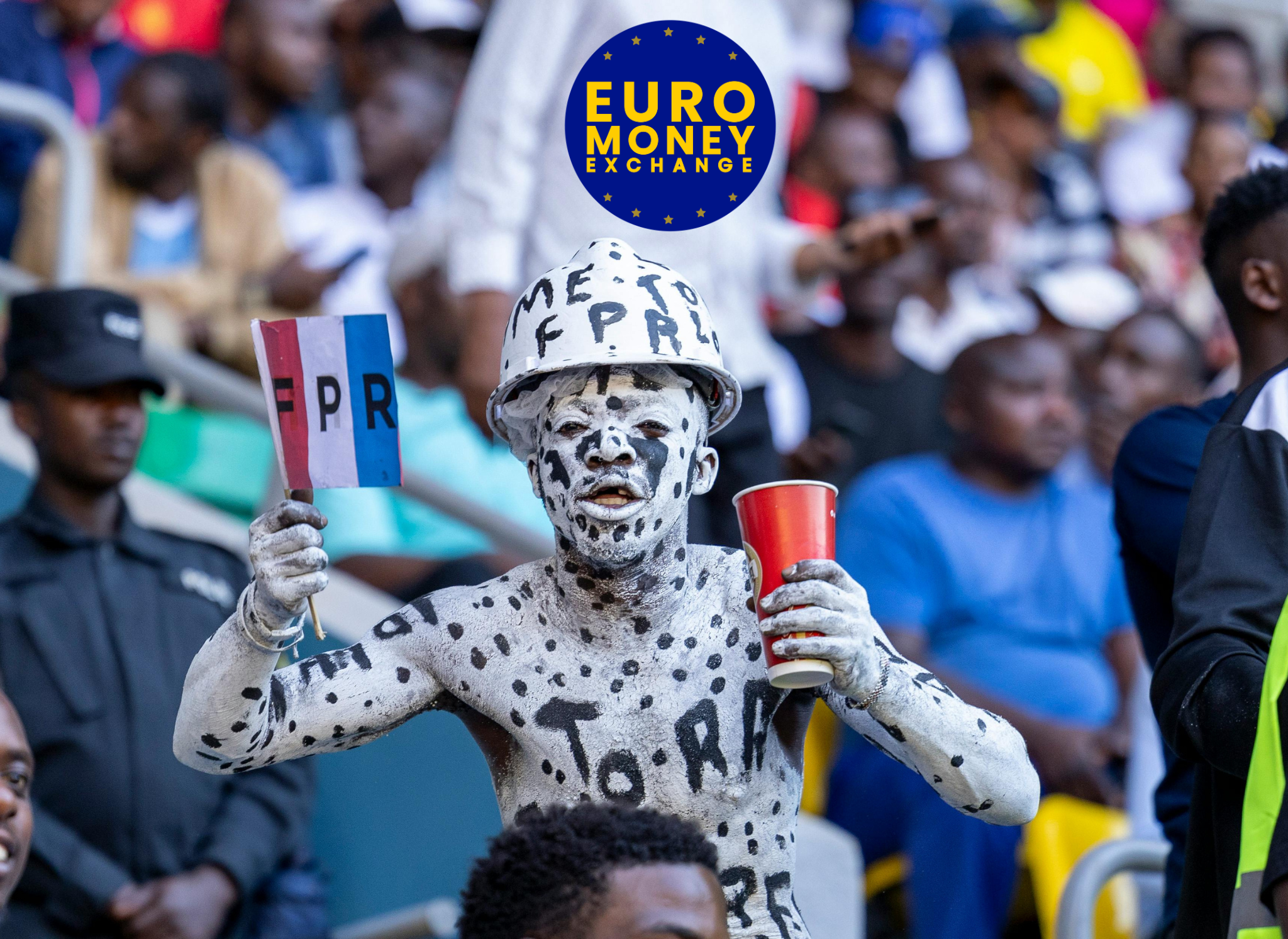
During major international events, most travelers focus on flights, hotels, tickets, and transportation. However, one of the most overlooked sources of overspending is something much more routine: how payments are made.
In Miami during the FIFA World Cup 2026, millions of international transactions will take place, and many of them will include automatic currency conversions, banking fees, and less favorable exchange rates. In many cases, travelers lose money without realizing it.
Using a card feels simple and convenient, but during international events it can introduce multiple layers of additional cost.
International transaction fees, bank exchange rate markups, conversion charges, and dynamic currency conversion mechanisms can all apply depending on the merchant and the issuing bank. Combined, these factors can increase the cost of each purchase by approximately 3% to 8%, sometimes even more depending on the card conditions.
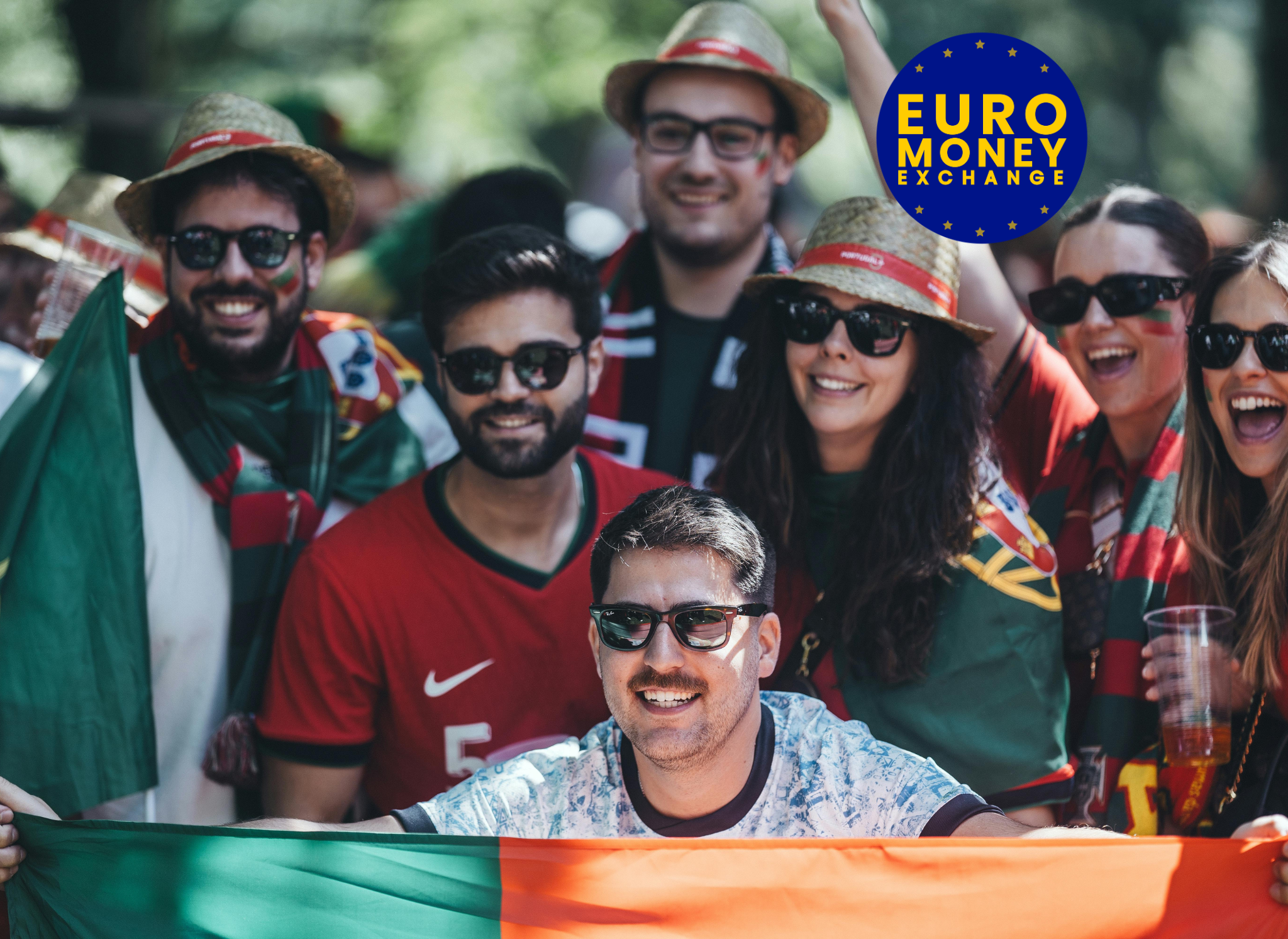
In many stores and payment terminals, travelers are asked whether they want to pay in their home currency instead of US dollars.
Although this may seem helpful, it usually results in a less favorable exchange rate and an additional margin added by the payment processor. In most cases, paying directly in US dollars provides better value and greater transparency in the final cost.
Cash continues to play an important role in managing everyday expenses during high-demand events like the World Cup.
It is especially useful for tips, transportation, quick meals, small daily purchases, and high-traffic tourist areas where speed and simplicity matter. Beyond convenience, cash also helps maintain clearer control over spending and avoids hidden banking fees that are not always visible at the time of payment.
Despite its costs, the card remains the preferred method for higher-value transactions such as hotel bookings, reservations, car rentals, and larger purchases where security, tracking, and payment guarantees are more important than small variations in exchange rates.
The most efficient approach is not choosing one method over the other, but combining both strategically.
Using cash for daily consumption and cards for larger expenses creates a balanced system that reduces unnecessary fees, improves budget control, and minimizes reliance on a single payment channel during the trip.
During the FIFA World Cup 2026 in Miami, poor payment decisions can become unexpectedly expensive. In a high-consumption environment, even small differences in fees and exchange rates can accumulate into a significant impact on the overall budget.
Planning how to manage money is not a secondary detail of the trip; it is a key part of ensuring a controlled and efficient travel experience.