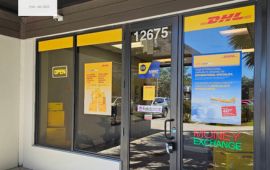
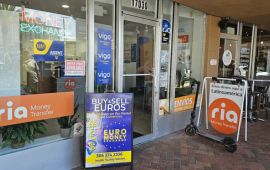
Welcome to Euro Money Exchange

How to travel with cash internationally?

Traveling with cash internationally can be both convenient and challenging. It offers flexibility in places where cards aren’t accepted. However, it also requires careful planning and awareness of legal requirements.Understanding how much cash you can travel with internationally is crucial. Different countries have varying rules and limits. In the U.S., for example, you must declare amounts over $10,000.Euromoney’s currency exchange service can be a great resource for travelers. It provides reliable options for converting your money before and during your trip. In this guide, you will learn practical tips on managing cash while traveling abroad.This guide will provide practical tips and insights. You’ll learn how to manage cash effectively and travel with peace of mind.

Why Travel with Cash Internationally?

Traveling with cash provides an immediate sense of security and accessibility. Unlike cards, cash doesn’t rely on technology, making it reliable in all settings. Cash can be useful in rural areas or small markets where cards are often not accepted.One of the key benefits of cash is convenience. It simplifies transactions and often speeds up the payment process. Travelers can avoid the hassle of foreign transaction fees that can come with using credit cards.Carrying cash is also helpful for budgeting purposes. It allows you to see and control your spending visually. Moreover, some places offer discounts for cash payments, which could save money over time.However, it’s crucial to manage and secure your cash properly. Consider these reasons for carrying cash:
  • Ideal for emergencies when cards fail.
  • Useful for tipping or small purchases.
  • Offers privacy with less chance of fraud.
Being informed about best practices helps in maintaining both convenience and security.

Legal Limits: How Much Cash Can You Travel with Internationally?

Understanding the legal limits for carrying cash when traveling abroad is crucial. Each country enforces different rules regarding how much cash a traveler can bring. Not adhering to these regulations can result in fines or confiscation of funds.In the United States, for instance, travelers carrying over $10,000 in cash or equivalents must declare it. This is done using a specific form upon entry or exit. Failure to do so can lead to severe penalties.Before your trip, research the cash declaration requirements of your destination. This ensures smooth movement through customs and avoids unnecessary issues. Many countries have similar regulations and require declarations for large sums.To comply with legal limits, consider the following actions:
  • Check the country’s customs website for specific rules.
  • Fill out necessary forms in advance to save time.
  • Keep records of where your cash comes from and its purpose.
Knowing these limits and adhering to them keeps you compliant with international laws. Travelers need to stay informed and prepared to avoid complications with customs.

U.S. and Other Major Destinations: Cash Declaration Rules

In the U.S., declaring cash over $10,000 is essential. This rule applies to both residents and non-residents entering or leaving the country. It’s part of efforts to prevent money laundering and illegal activities.In Europe, the European Union requires travelers carrying €10,000 or more to declare. This ensures traceability of financial movement across borders. Failing to declare can lead to confiscation and potential prosecution.In Australia, the threshold is AUD 10,000 for declarations. It’s wise to carry the necessary documents to justify your cash. As regulations can change, checking for updates from customs authorities is vital.Consider these important steps:
  • Understand specific thresholds for each destination.
  • Keep extra copies of cash declaration forms.
  • Stay updated on rules by checking official websites before travel.
Adhering to these rules is pivotal for hassle-free travel. Knowing and following regulations helps protect your cash and avoid penalties.

How to Declare Cash at Customs?

Declaring cash at customs is a crucial step when traveling internationally. It’s important to be prepared with the right documents and knowledge.When declaring cash, start by filling out the necessary forms accurately. These forms are often provided by customs officials at the entry point. Answer all questions truthfully to avoid any legal issues.Next, have your supporting documents ready. These may include proof of the source of your cash or a detailed travel itinerary. This information can help customs understand the purpose of carrying such amounts.Follow these key steps for a smooth process:
  • Obtain the correct declaration form in advance if possible.
  • Have documentation ready to explain the amount and purpose of your cash.
  • Be courteous and cooperative with customs officials.
Properly declaring your cash ensures compliance with international regulations. It also protects you from potential legal troubles, creating a smooth travel experience.

Risks of Carrying Cash Abroad

Carrying cash abroad can pose various risks that travelers should consider. Theft and loss are the most common concerns for those with substantial amounts of currency. Keeping money in one place increases the danger of it disappearing in a moment.Another risk involves counterfeit money. Travelers should be aware of the local currency’s security features to avoid accepting fake bills. Educating yourself on the distinct patterns and textures of the currency can be beneficial.Consider these precautions to mitigate risks:
  • Use a money belt or hidden pouch for security.
  • Regularly check your money to ensure it’s intact.
  • Stay alert in crowded areas to avoid being pickpocketed.
Understanding these risks and taking proactive steps can safeguard your funds while traveling internationally.

Best Practices for Carrying Cash Safely

When traveling, ensuring your cash’s safety should be a top priority. One effective way is to use a money belt or a concealed pouch. These can be discreetly worn under clothing, reducing the risk of theft.Splitting your cash between multiple locations is also wise. Keep some in your bag, some in your wallet, and some with a trusted companion. This minimizes loss if one source is compromised.Here are some storage tips:
  • Use a money belt for everyday cash.
  • Store backup cash in a hotel safe.
  • Diversify storage to multiple secure spots.
Be discreet when handling cash. Counting money in public or showing large bills can draw unwanted attention. It’s important to keep a low profile to avoid becoming a target for thieves.Additional precautions include being mindful of your surroundings and staying alert in crowded places. Trust your instincts—if a situation seems off, remove yourself quickly.Consider these vigilance tips:
  • Avoid showing large sums in public.
  • Be aware in busy areas.
  • Trust your intuition about safety.
By following these best practices, you can carry cash internationally with greater peace of mind and security.

Alternatives to Carrying Large Amounts of Cash

Carrying large sums of cash isn’t always necessary or wise. There are safer, convenient alternatives for managing finances abroad. One option is using a credit card with no foreign transaction fees. This approach minimizes cash handling while offering benefits like fraud protection.Prepaid travel cards are another excellent choice. These cards can be loaded with funds in your destination’s currency. They reduce the hassle of exchanging cash and often come with security features.Consider diversifying your financial approach with these tools:
  • Credit cards with low fees
  • Prepaid travel cards
  • Traveler’s checks
Using a mix of these options, along with a small amount of cash, provides both flexibility and security. This strategy minimizes risk while enhancing your travel experience.

Currency Exchange Tips and Avoiding Scams

Currency exchange can be tricky and prone to scams. Knowing where and how to exchange your money safely is crucial. Start by avoiding airport kiosks, as they usually offer unfavorable rates.Instead, seek out reputable banks or dedicated currency exchange outlets. These places tend to provide better rates and are less likely to scam you. Compare rates online before making any exchanges to ensure you get the most value.To protect yourself from scams, follow these guidelines:
  • Use official exchange services
  • Confirm rates before exchanging
  • Count your money immediately
Maintain awareness and stay cautious when exchanging currency. Following these steps can help you avoid potential pitfalls and save money while traveling.by e (https://unsplash.com/@eyf)

What to Do If Your Cash Is Lost or Stolen?

Losing cash while traveling can be frustrating and stressful. The key is to act quickly and methodically. Firstly, report the loss or theft to local authorities. This helps in potentially recovering your cash and is crucial for insurance claims.Next, contact your bank or credit card company if the cash was withdrawn from an account recently. They might offer assistance or protection. Also, notify your travel insurance provider. You may have coverage for lost or stolen cash that can help reduce financial loss.Follow these steps for further action:
  • File a police report
  • Inform your embassy or consulate
  • Check for nearby Western Union or MoneyGram for quick cash transfers

Final Tips for Smart International Travel with Cash

Traveling with cash internationally requires careful planning and awareness. One important tip is to stay informed about both local and international regulations. This knowledge helps prevent any unexpected complications at customs.It’s also wise to combine cash with other forms of payment. Credit cards and mobile payment apps offer convenience and security. They can help you avoid the risks associated with carrying too much cash.Preparation is key to a smooth travel experience. Keep emergency contact information accessible, and always have a backup plan. Such measures ensure you are ready for any financial surprises.Here’s a final checklist for smart cash travel:
  • Stay updated on regulations.
  • Mix cash with digital payments.
  • Prepare an emergency plan.
 Euromoney Exchange Carousel

Leave a Reply

Your email address will not be published. Required fields are marked *