Welcome to Euro Money Exchange
- +1 305 374 2336
- 230 NE 1st ST Miami FL 33132

Welcome to Euro Money Exchange
Miami doesn’t just connect cultures—it connects flavors. Its strategic location and rich migration history have created one of the most vibrant culinary scenes in the United States.
Here, Latin American, European, Caribbean, and American influences blend together, turning every meal into an international experience. From traditional Cuban cuisine to contemporary fine dining, the city offers options for every budget.
If you’re planning your trip, beyond choosing where to eat, it’s also important to plan how much you’ll spend in U.S. dollars and how to manage your currency exchange.
The city is home to key food districts such as:
Each area offers a unique identity, from luxury rooftops to traditional local eateries.
Average daily cost per person:
👉 Average daily food budget:
60–120 USD (excluding luxury dining)
During high season (December–April and major events), prices can increase by 15%–30%.
Miami benefits from:
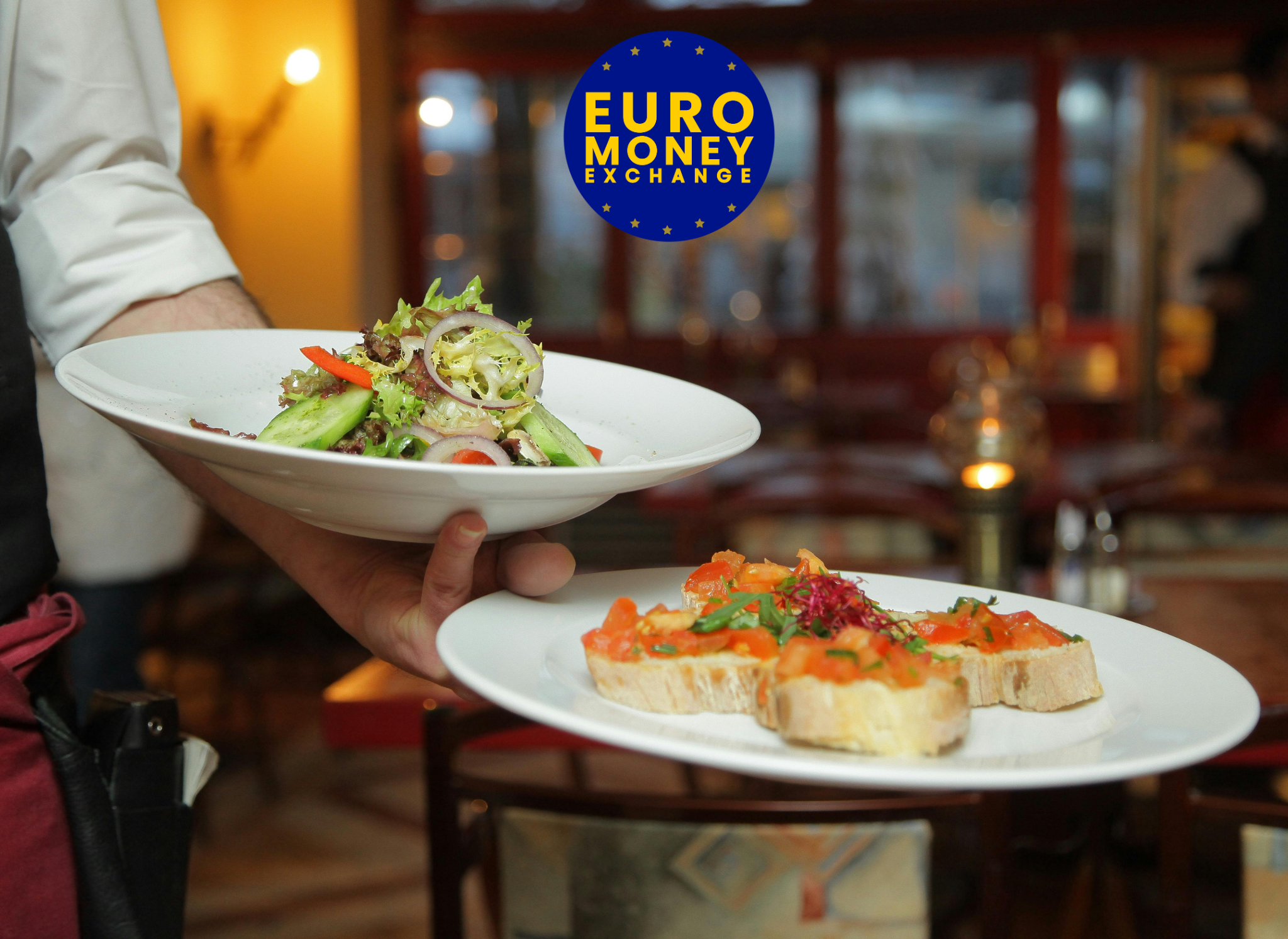
The result is a city where you can have an American-style breakfast, a Peruvian lunch, and a Japanese dinner—all within a few miles.
Perfect for authentic Cuban food, strong coffee, and cultural atmosphere.
Ideal for modern dining, rooftops, and fusion cuisine.
Fine dining, luxury restaurants, and sophisticated cocktails.
Historic classics and premium oceanfront experiences.
Many travelers make common mistakes when paying at restaurants:
✔ Always pay in USD
✔ Avoid dynamic currency conversion (DCC)
✔ Carry cash for tips and small cafés
✔ Exchange money at well-located currency exchange offices in the city
A poor exchange rate decision can increase your total restaurant spending by 3% to 8% without you noticing.
For an average 4-day trip:
👉 Recommended cash:
250–400 USD for casual meals and tips
The rest can be paid by card, making sure to review any applicable fees.
Exploring restaurants in Miami is more than just dining—it’s experiencing cultures, traditions, and creativity in every dish.
But planning your budget in U.S. dollars and exchanging your money strategically is just as important as choosing the right restaurant.
Good financial planning allows you to enjoy your trip without worrying about hidden costs or unnecessary extra charges.